
Mice are a regular problem in Colchester, in houses of every age and in shared buildings where nobody is sure whose job it is to act. Whether you own, rent or manage the property, the sensible route is the same: confirm the problem, treat it carefully, check the results over several visits and then fix the gaps.
Colchester is a historic garrison city with an old centre, a university, a large student rental market and a wide mix of housing. In CO1 to CO4 that means plenty of older buildings, busy kitchens and frequent changes of occupier, all of which make mice harder to spot early and easier to miss.
 BPCA Member
 CHAS Accredited
 Buy With Confidence
 Three Best Rated 2026
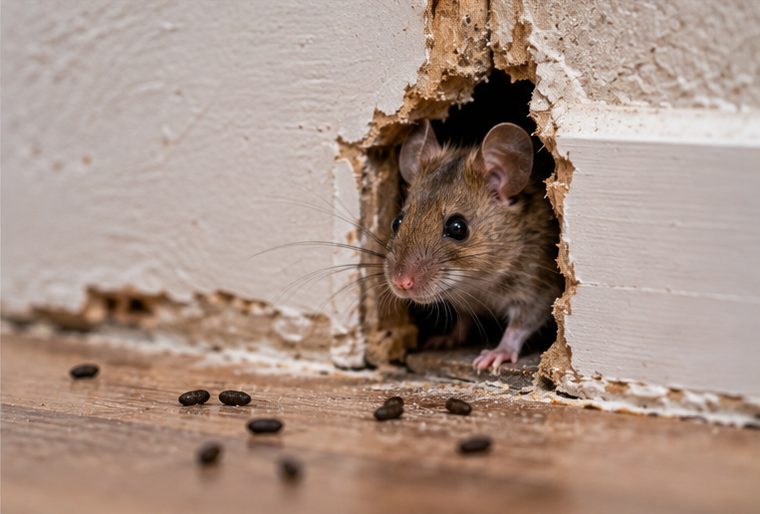
Shared houses in Colchester suffer because of how they are used. Several people store food in several cupboards, bins fill quickly, and a gap left open in a communal area is nobody's job to fix. Mice need very little, so a few crumbs under the oven and an open bag of pasta are enough to keep them going and breeding, long before any tenant notices a thing.
In a Colchester house share we check each kitchen, the shared hallway, the stairs void and any loft or cellar. We write up what we find so landlords and tenants know where responsibility sits. Housemates can help by keeping food in tubs, emptying bins often and telling us about every sighting, since each housemate may have seen something different, and every sighting helps us place traps in the right spot.
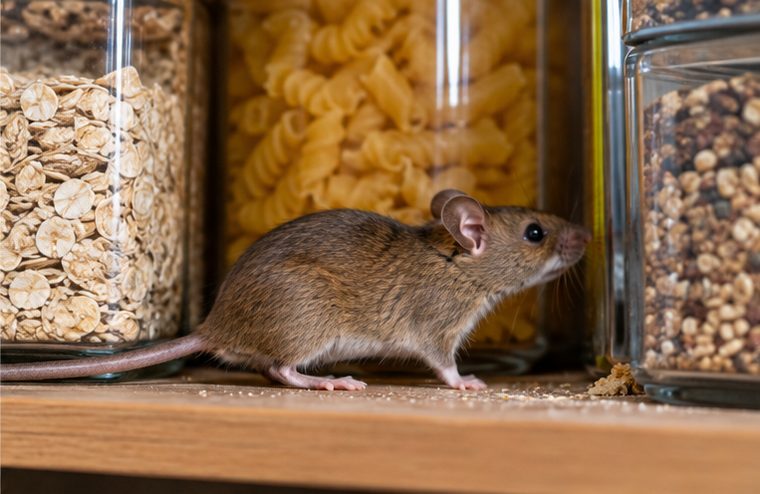
Older properties in the centre of Colchester and surrounding streets often have solid floors, timber, thick walls and years of small alterations. That gives mice voids to run through and gaps behind pipework, skirting and fitted units. We look at where pipes enter, where floorboards meet walls and how the cellar or loft connects to the living space, because a small gap there can feed a whole building.
Treatment uses traps and, where it can be done safely, bait in secured stations, placed along the runs we have identified. We come back over several weeks to check each one, record catches and adjust positions as the picture changes. Mice in a building with many gaps can take longer to clear, and we say so openly rather than promise a particular timeline.
After treatment we fill the gaps we found and give landlords a clear list of repairs for doors, air bricks and pipe entries. For Colchester lets, a thorough clean-out and sealed food storage before a new tenancy begins is a good habit. We also work in Witham and Braintree, so landlords with several properties can call us for any of them.
We cover towns and villages across Essex. Choose your area to see how mouse control works locally.
Mice are small, quiet and mostly active at night, so the evidence they leave behind is often the first thing you notice, long before you see one.
Read the guide →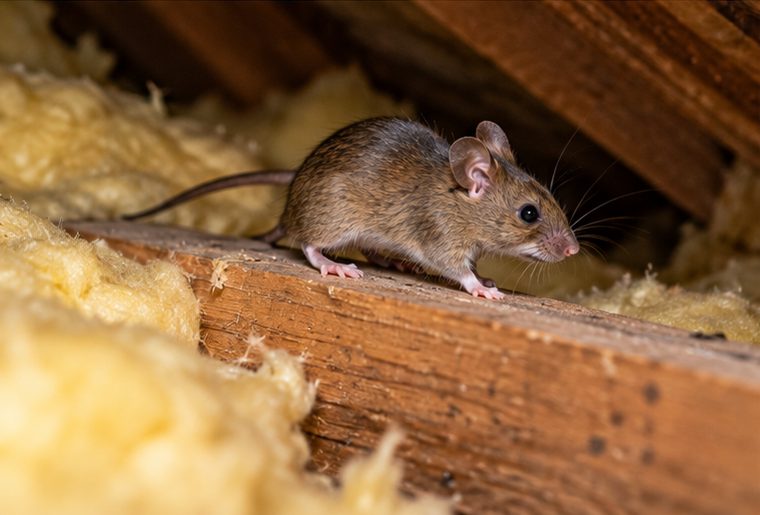
Mice only need a tiny gap to get inside, so stopping them means knowing where homes tend to be weak and tackling the entry points carefully.
Read the guide →
Most household pests leave clues behind, and learning to read droppings, damage, noises and timing will help you decide what you are dealing with and what to do next.
Read the guide →It depends on the tenancy and the cause. Landlords are usually responsible for structural gaps and repairs, while tenants should keep food stored and the property clean. We can describe what we found and which fixes are needed so both sides know where they stand.
Yes. We arrange access with the tenants, keep traps and bait away from living areas and explain to everyone what is placed where. Housemates should keep food sealed and report any sightings, so the monitoring visits show an accurate picture.
They can nest in wall cavities, under floors and in lofts for as long as there is food and warmth. That is why we check over several weeks and proof the entry points. Removing the visible mice alone does not stop a building being used again.
Tell us what you have found and roughly where it is. We will come back to you — or call 01245 327 274 if it is urgent.
