
Mice rarely clear in a single visit, and that is as true in Great Dunmow as anywhere. Our mice control here follows a programme: we find where they are getting in, set traps and bait where it is safe to do so, then come back to check what has been caught and what has changed.
We work in the CM6 area, covering family homes, flats over shops, rented properties and small commercial premises. If you have heard scratching at night or found droppings, the sooner we look, the shorter the programme usually needs to be.
 BPCA Member
 CHAS Accredited
 Buy With Confidence
 Three Best Rated 2026
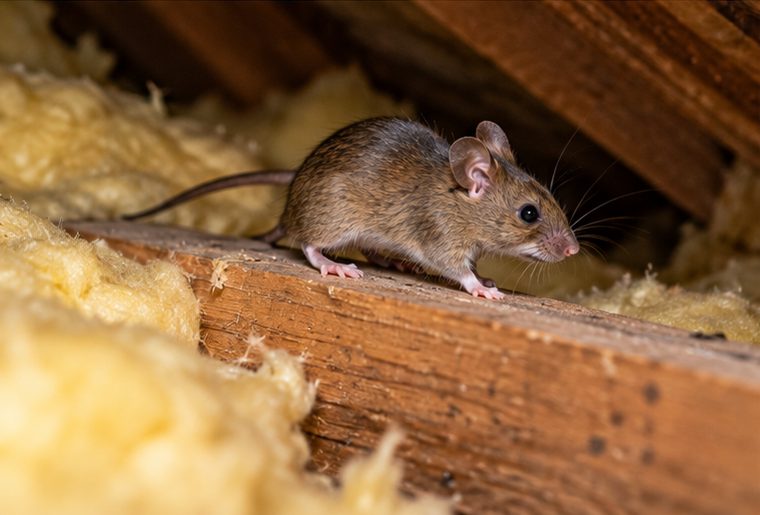
The first visit is mostly looking. We walk the property, check the kitchen, airing cupboard, under stairs, loft and any outbuildings, and look for droppings, gnaw marks, smears along skirting and nesting material. Mice leave a stale, musty smell where they have been active, and damaged packets in a food cupboard are a common giveaway. We talk through what you have noticed and when.
Great Dunmow has an older centre, newer estates and farmland all around it, and that mix matters. Older buildings tend to have gaps round pipes and under floors, while homes on the edge of the town can see mice moving in from fields once the weather turns colder. We note every likely entry point as we go, so the proofing later is based on what we saw.
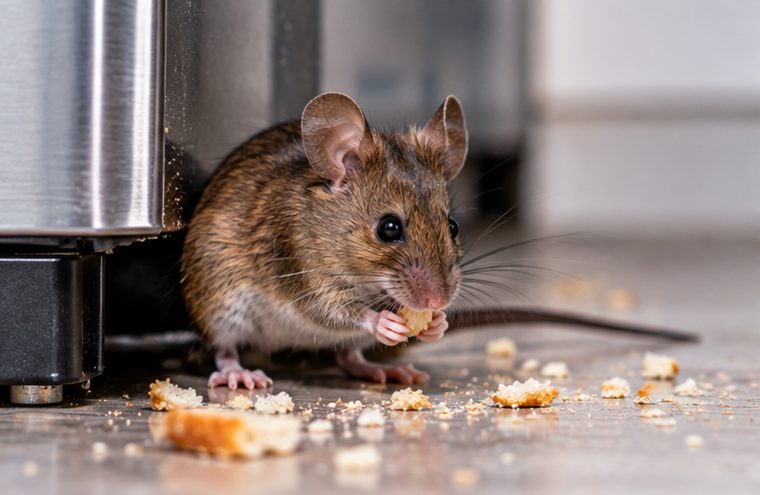
Once we know where the activity is, we place traps and, where it is safe, bait. Position matters more than quantity, so we put them along the runs mice actually use, out of reach of pets and children. Anything we leave is recorded, so every later visit starts with a clear picture of what is where and which spots have gone quiet already.
We then return to check them, usually over several weeks rather than a single call. Each check tells us whether numbers are falling, whether mice are still coming in somewhere new, and when it is safe to remove equipment. In Great Dunmow, a home that backs onto open land may need a longer monitoring period before we are comfortable closing the job.
Once activity drops we turn to proofing. Mice can squeeze through very small gaps, so we seal what we can find, such as holes round pipes, air bricks and door edges. We also give simple food storage advice: sealed tins and boxes, crumbs cleared, bins closed. If you are nearby, we also cover Braintree, Saffron Walden and Chelmsford, so the same programme is available there.
We cover towns and villages across Essex. Choose your area to see how mouse control works locally.

Mice are small, quiet and mostly active at night, so the evidence they leave behind is often the first thing you notice, long before you see one.
Read the guide →Mice only need a tiny gap to get inside, so stopping them means knowing where homes tend to be weak and tackling the entry points carefully.
Read the guide →
Most household pests leave clues behind, and learning to read droppings, damage, noises and timing will help you decide what you are dealing with and what to do next.
Read the guide →It depends on how settled the mice are. Most jobs run over several weeks, with visits to check traps and bait. A small, recent problem can settle faster, while a longer-running one near open farmland may need extra checks before we are happy it has stopped.
Because one visit only shows a moment in time. Repeat checks let us see what has been caught, whether new droppings are appearing, and whether mice have found another way in. It stops us removing equipment too early and having the problem return.
We only use bait where it can be placed safely, usually in tamper-resistant stations or places pets and children cannot reach. If that is not possible in a room, we rely on traps instead. Tell us about your pets at the first visit and we will plan around them.
Tell us what you have found and roughly where it is. We will come back to you — or call 01245 327 274 if it is urgent.
