
Mice and old buildings go together, and Epping has plenty of both. If you have found droppings in a pantry, heard scratching behind a wall or discovered a chewed bag of flour, the answer is a methodical treatment rather than guesswork. We trace the problem, treat it, come back to check it and then fix what let the mice in.
Epping is a market town on the edge of Epping Forest, with an older high street, period properties and woodland close by. Homes in CM16 therefore face mice from the surrounding trees and gardens as well as from neighbouring buildings, and the older the property, the more routes there tend to be.
 BPCA Member
 CHAS Accredited
 Buy With Confidence
 Three Best Rated 2026

A period house has character, and also quirks that suit mice: lath and plaster walls, gaps under floorboards, old chimney breasts, stone or brick thresholds worn by use and pipes that were added later with oversized holes. Mice use these as private corridors that run from the cellar to the roof without ever entering a room, so a house can have a real problem and very few visible signs.
In an Epping period home we inspect skirting boards, the base of chimney breasts, the area around the boiler and any cupboards on outside walls. We also listen for movement at quiet times. Because these houses often have listed or sensitive features, we choose proofing methods that protect the fabric and avoid anything that looks clumsy or out of place on a house that people value.
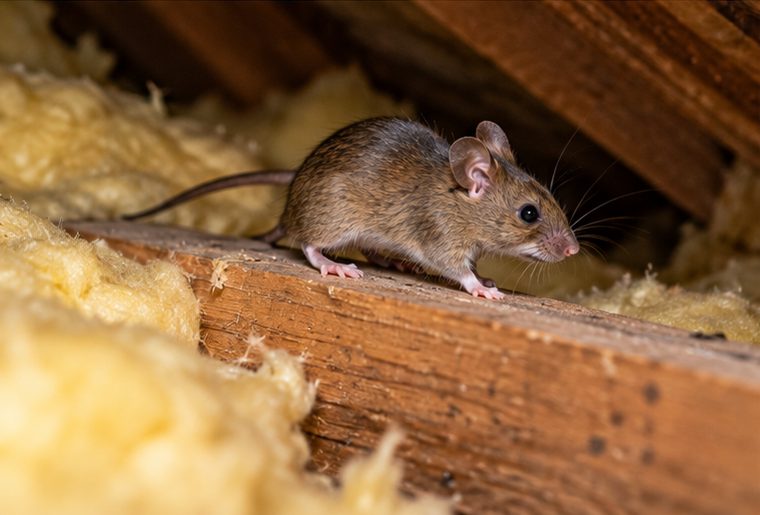
Woodland and gardens close to an Epping house mean food and cover are always nearby. Mice shelter in log piles, sheds and leaf litter, then move indoors as the colder autumn nights set in. They do not need much, so even a small gap beside a back door or a vent can be enough for a family of mice to settle in the cupboards.
Our treatment starts with traps and, where safe, secured bait in the places mice are using, then repeat visits over several weeks to see what is still active. Homes near the forest can see a steady stream of new arrivals, which is why proofing and tidy storage matter as much as the trapping, and why we check back before closing the job.
Once activity has stopped, we close the gaps with materials chosen for the building, such as wire wool and filler, mesh over vents and brush strips on doors. Keep firewood away from the walls, store food in sealed tubs and trim back climbing plants that touch the roof. We also cover Loughton and Harlow, with the same programme available in both.
We cover towns and villages across Essex. Choose your area to see how mouse control works locally.

Mice are small, quiet and mostly active at night, so the evidence they leave behind is often the first thing you notice, long before you see one.
Read the guide →Mice only need a tiny gap to get inside, so stopping them means knowing where homes tend to be weak and tackling the entry points carefully.
Read the guide →
Most household pests leave clues behind, and learning to read droppings, damage, noises and timing will help you decide what you are dealing with and what to do next.
Read the guide →They can. Mice live in woodland edges and gardens, and when nights turn cold they look for warm buildings with food. Homes close to the trees are more exposed, so gaps at ground level, loose vents and cluttered sheds are worth fixing before autumn.
No. We use materials such as wire wool, mesh and suitable filler, and we choose methods that suit the age and style of the building. If a gap needs a proper repair, such as an old air brick, we explain the options so you can decide.
Scratching or scurrying heard at night, especially above ceilings or inside walls, usually means mice. Add droppings, a musty smell or gnawed wiring and the picture is clear. We confirm it with an inspection of the loft and the likely entry points.
Tell us what you have found and roughly where it is. We will come back to you — or call 01245 327 274 if it is urgent.
