
Mice do well wherever food, warmth and gaps come together, and Grays offers all three in houses, shops and large commercial buildings alike. We deal with them through a treatment that is planned, monitored and finished properly: a thorough inspection, traps and bait where it is safe to use them, regular follow-up checks and proofing.
Grays is a Thames-side town in Thurrock with a town centre, large estates, a busy riverside and industrial and logistics sites nearby. Across RM16 and RM17 that means a lot of different buildings, from semis on the estates to warehouses with long loading doors, and each needs its own approach.
 BPCA Member
 CHAS Accredited
 Buy With Confidence
 Three Best Rated 2026
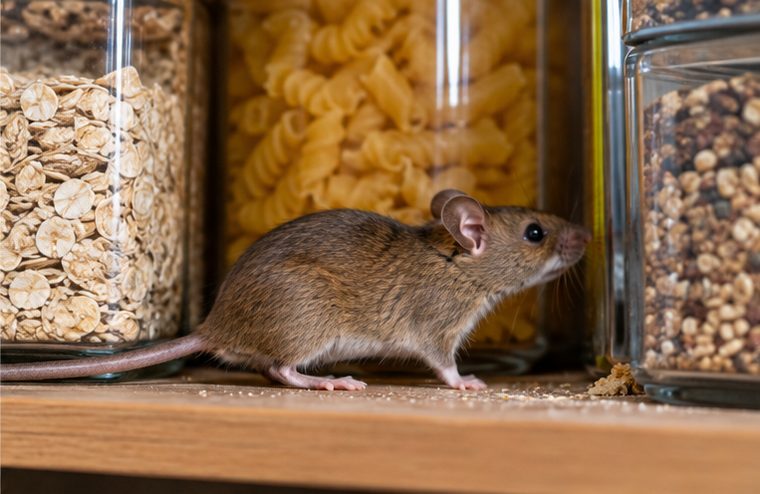
On a residential estate, mice usually arrive through small gaps at ground level and then work through shared service routes. Look for droppings in kitchen drawers, a chewed cereal box, the smell of stale urine under the sink and scratching behind the wall at night. These signs tend to appear first in the kitchen and the airing cupboard, long before anyone actually sees a mouse in daylight.
In a Grays home, we check the kitchen units, the boiler cupboard, the loft hatch and the gaps around pipes leaving the house. We also look at the garden: overflowing bins, bags of feed and stacked boxes in the shed all invite mice. After the inspection, we describe the treatment plan in simple terms and agree how many visits to expect, so there are no surprises for you or the household.
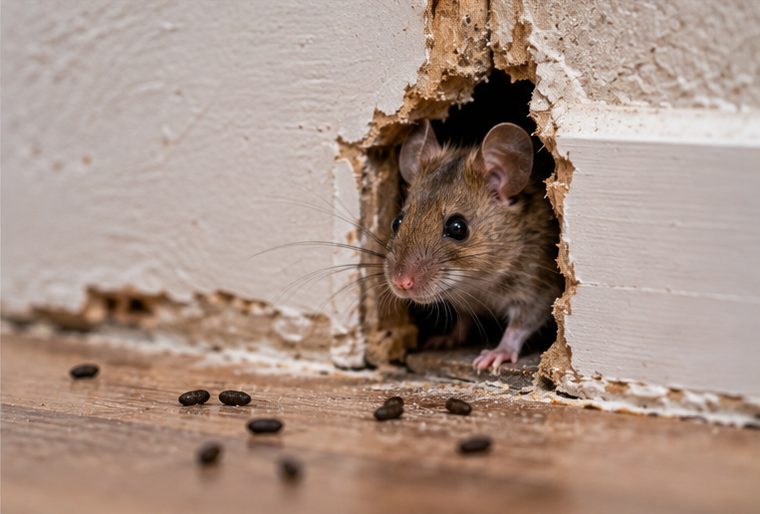
Large sites around Grays have wide doors, pallets and plenty of sheltered corners. Mice come in on deliveries, through shutters left open and along walls shared with waste areas. A warehouse near the river can have its own pressures, since the surrounding open ground gives them cover. We examine pallets, racking bases, dock levellers and any food or packaging stores, because those are the places mice nest in first.
Stations and traps go along walls and in the corners mice prefer, marked on a plan so staff know where they are. We visit over several weeks to check them, record results and move them if activity shifts. A written note of what was found helps site managers show they are keeping on top of the issue, and tells us when to close the job.
To keep mice out, we fill gaps round pipes and cables, mesh vents and ask for door seals and shutters to be repaired where they are worn. At home, keep food in tubs and bins closed. On commercial premises, raise stock off the floor and clear waste regularly. We also cover Brentwood and Basildon, and the same methods apply there.
We cover towns and villages across Essex. Choose your area to see how mouse control works locally.
Mice are small, quiet and mostly active at night, so the evidence they leave behind is often the first thing you notice, long before you see one.
Read the guide →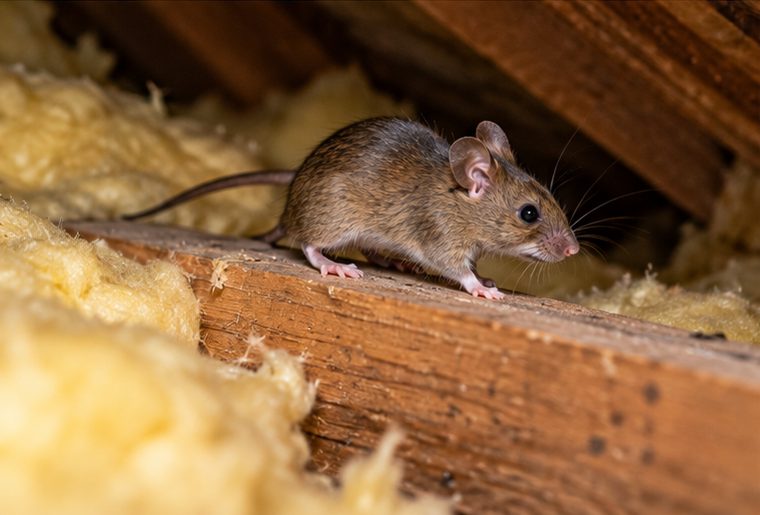
Mice only need a tiny gap to get inside, so stopping them means knowing where homes tend to be weak and tackling the entry points carefully.
Read the guide →
Most household pests leave clues behind, and learning to read droppings, damage, noises and timing will help you decide what you are dealing with and what to do next.
Read the guide →Yes, they can enter through open shutters, worn door seals and gaps beneath loading doors, and they can also arrive hidden in packaging. Regular checks of the door edges, stock kept off the floor and a monitored layout of traps help to catch them early.
Mouse droppings are small and rice-shaped, while rat droppings are larger and blunter. Mice leave smaller gnaw marks and make lighter scratching noises. If you are unsure, we identify the pest during the inspection so the correct treatment can be planned.
A final check is worthwhile. It confirms the traps have stayed quiet and that the proofing is holding. For businesses we may suggest occasional visits, but for most homes, one last check and a tidy storage routine is enough.
Tell us what you have found and roughly where it is. We will come back to you — or call 01245 327 274 if it is urgent.
