
Grays is a Thames-side town with a busy centre, large residential estates and industrial and logistics sites close by. Between the houses there is a lot of ordinary grass: back lawns, front gardens, verges and open spaces. Where the soil is soft, moles can appear, and the first you know of it is often a row of fresh hills.
We make sure moles really are the cause, find the main tunnels and trap there, with regular checks. Moles stay underground and do not come into houses. Whether it is a family garden or a patch of grass at a business, we explain what we find and what to do next.
 BPCA Member
 CHAS Accredited
 Buy With Confidence
 Three Best Rated 2026
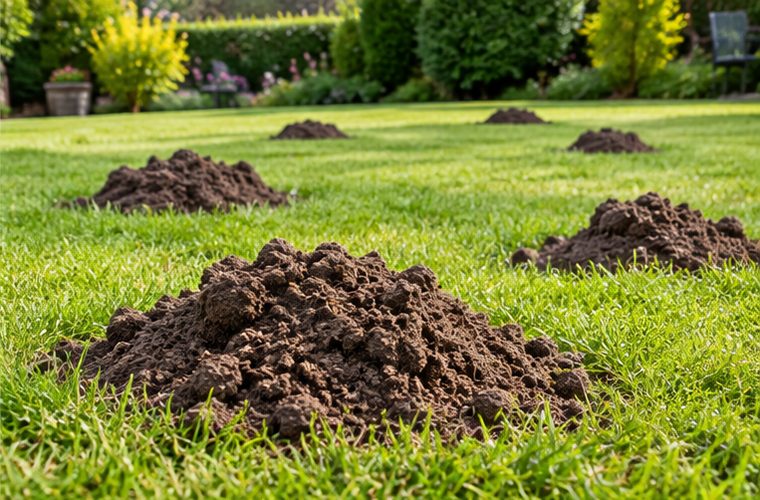
Many Grays estates have gardens of similar size laid out side by side, which means a mole can pass from lawn to lawn under the fences. A hill in one garden often signals that a neighbour has the same trouble, or soon will. It can be worth speaking to the people next door before the problem spreads further along the road and across more lawns.
Commercial and logistics sites in RM16 and RM17 often have strips of grass, landscaped banks and open land around the buildings, and these can be dug up too. Moles do not care whether the ground belongs to a house or a depot. The signs are the same everywhere: loose soil in heaps, raised ridges of turf and an uneven surface that is awkward to mow.
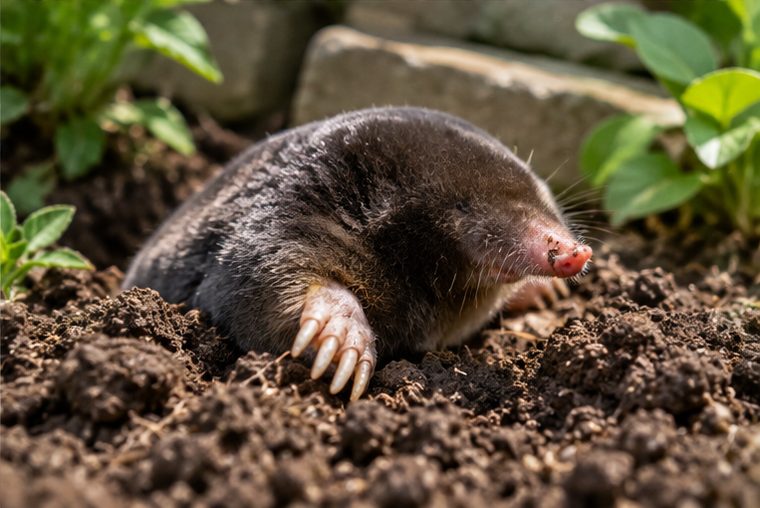
The first step is to separate a mole from other causes by looking closely at the hills and ridges. We then find the main runs, the deeper tunnels the animal uses over and over, and set traps inside them. Short side branches are not worth trapping, because the mole passes through them only once or twice while feeding, and trapping them wastes time.
We return at regular intervals to check the traps and tell you what we have found. A single garden in Grays is often resolved in a few visits, whereas a long verge or wide grassed area can take longer. We will say which we think it is at the outset, and we will not claim certainty that we do not have yet.
After trapping, flatten the heaps with a rake and use the spare soil to fill hollows in the grass. Firm any sunken tunnels and sow seed on bare patches once the weather turns mild. If neighbours in Grays are affected, we also cover Brentwood, Basildon and Billericay, and can advise on how to tackle the whole street sensibly.
We cover towns and villages across Essex. Choose your area to see how garden mole removal works locally.
Fresh mounds of loose soil are the classic sign of a mole, but a few other things can look similar, so it pays to check properly.
Read the guide →
If new molehills keep appearing after you have cleared the old ones, the cause is usually food, soft soil and a tunnel network that never really goes away.
Read the guide →
Most household pests leave clues behind, and learning to read droppings, damage, noises and timing will help you decide what you are dealing with and what to do next.
Read the guide →It can help, because moles pass between gardens below the fences. Treating only one plot may leave an animal next door to wander back in. We can look at both gardens and explain what the pattern of hills suggests.
Yes, grass banks and landscaped edges on commercial sites can be tunnelled just like a lawn. We assess the ground, plan traps so staff and vehicles are not affected and keep you informed about what we find on each visit.
No. Moles dig tunnels for worms and push up soil heaps, and they do not eat stored food or enter buildings. Rats leave holes, droppings and gnaw marks. If you are unsure, we can tell you which it is.
Tell us what you have found and roughly where it is. We will come back to you — or call 01245 327 274 if it is urgent.
