Clothes moths damage natural fabrics quietly, so by the time holes appear the problem has often been developing for weeks in a dark, undisturbed corner.
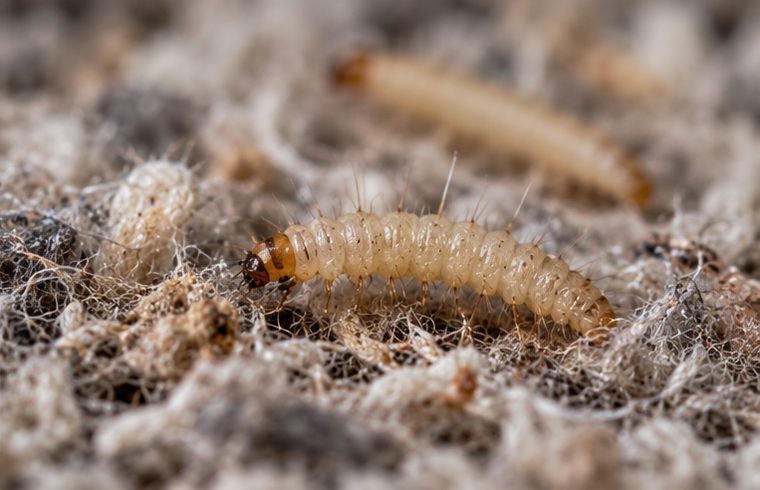
Clothes moths are small, narrow, buff or golden coloured moths, usually about the length of a fingernail. They are not the large brown moths that fly around lights at night. The adults avoid light and tend to run or flutter along walls and furniture, and they do not eat fabric themselves. The damage is done by the larvae, which are small creamy caterpillars. They feed on keratin, a protein found in wool, fur, feathers and hair, which is why natural fibres are at risk.
Adult moths seen in a wardrobe, bedroom or spare room are a strong hint, especially if you notice them in the same place more than once. Look closely at the fabric as well. Moth larvae spin silk tubes or cases and leave fine webbing on the surface of the material they feed on. Other signs are easy to confuse with ordinary dust, so look carefully in the folds and seams of garments.
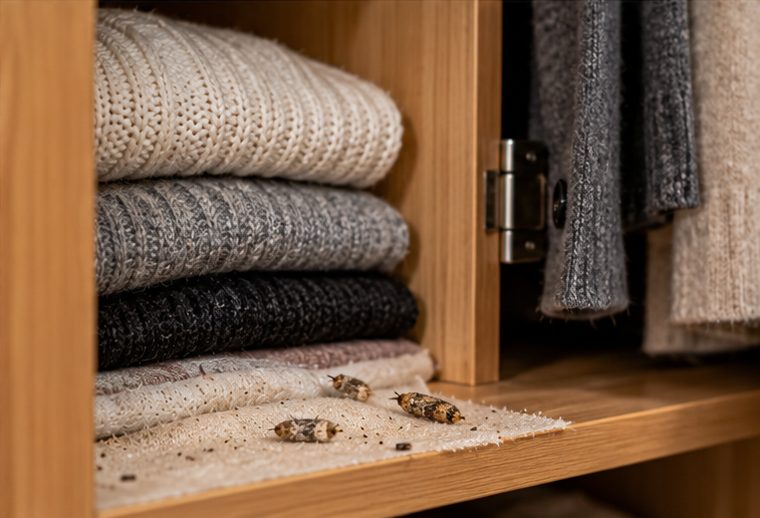
Larvae chew through the surface of fabric and tend to leave irregular holes and thin patches, often hidden in seams, collars, cuffs and folds. On carpets and rugs, damage is typically found in quiet areas such as under beds and sofas, behind curtains, along edges and in cupboards, where there is little traffic or light. Stored items are particularly at risk, such as winter knitwear put away for summer, wool blankets and rugs, and anything stained with sweat, food or skin oils, which makes the fabric more attractive to larvae.
Moths can be carried in on second hand clothing, vintage furniture, rugs, or items stored for a long time. They can also come in through open windows, or travel from a nest in a neighbouring property. Older houses with lots of nooks and natural fibre carpets can offer plenty of places to hide. Warm, dark, undisturbed spaces give them the strongest chance, which is why the problem often begins in a cupboard or under a bed. Heating that stays on in winter keeps them active for longer.
Start by finding out where the damage is. Remove items from the affected wardrobe or room, shake them out outdoors and check seams and folds. Vacuum thoroughly along skirting, inside cupboards and under furniture, then empty the vacuum into a sealed bag and outside bin straight away. Wash what the care label allows at the highest suitable temperature, and consider having delicate items cleaned professionally. Items that cannot be washed can be sealed in a bag while you decide what to do.
Do not rely on a few sprays or scented products to clear an infestation. They may reduce flying moths for a while but rarely reach larvae hidden in carpets and fabric. Avoid putting chemicals on clothing that will be worn against skin, and never mix products. Do not just throw the contents of an infested wardrobe back inside after a quick clean. Eggs and larvae can survive in cracks, so the cycle starts again within weeks.
Call us if moths keep returning, the damage is spreading, or you find larvae in carpets, upholstery or several rooms. We identify the species, trace the source and treat affected areas safely, which matters because many householders have more than one source. A professional visit is particularly sensible where valuable rugs, fitted carpets or stored wool are involved, since the cause can be well hidden. We will talk through what we find, explain what is needed and tell you plainly if a treatment is not necessary.
If you would rather not deal with it yourself, call us on 01245 327 274 or send an enquiry below. You can also read more about our moth control service.
 BPCA Member
 CHAS Accredited
 Buy With Confidence
 Three Best Rated 2026
We cover towns and villages across Essex. Choose your area to see how moth control works locally.
Moth larvae thrive on natural fibres left in dark, still places, so protecting wool and carpets comes down to cleanliness, airflow and sensible storage.
Read the guide →
Most household pests leave clues behind, and learning to read droppings, damage, noises and timing will help you decide what you are dealing with and what to do next.
Read the guide →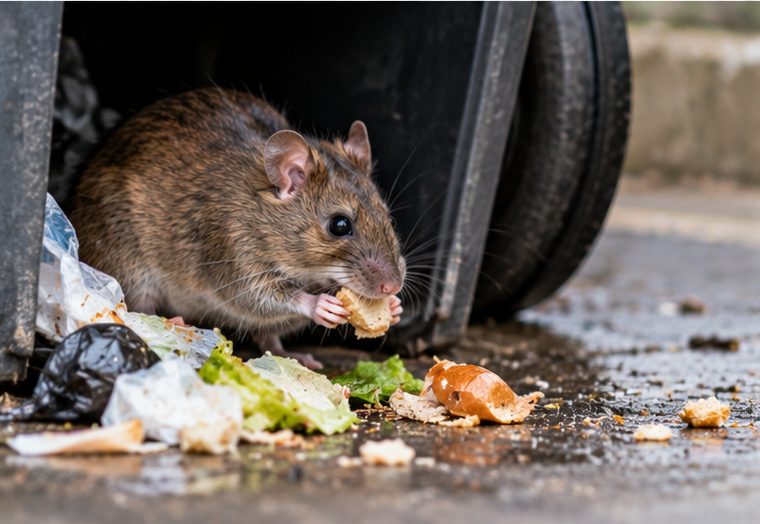
Rats are secretive and mostly active after dark, so the first clues are usually small marks and sounds rather than a sighting of the animal itself.
Read the guide →No. Adult clothes moths do not feed on fabric. The damage is caused by the larvae, which eat natural fibres such as wool, silk, fur and feathers. Seeing adults is still a useful warning, as they are likely to have laid eggs nearby.
Clothes moths are small, slim and buff or golden, and they avoid light. Larger brown moths that circle lamps are usually harmless to fabric. If you are not sure, keep one in a jar or take a clear photograph and send it to us.
Larvae prefer natural fibres, but they can damage blends and will sometimes chew through synthetic material to reach soiled areas or wool nearby. Items that contain wool, cashmere, silk or fur are at greatest risk, especially if they have been stored dirty or damp. Check labels, and look closely at blended garments that contain even a small amount of wool.
They are most active in warm weather, but in heated homes they can breed for much of the year. Problems are often noticed in spring or summer when stored winter clothes are taken out and found damaged. Warmer, heated homes can see moths at other times of year too, so do not assume winter is always safe.
Tell us what you have found and roughly where it is. We will come back to you — or call 01245 327 274 if it is urgent.
