
Moth larvae thrive on natural fibres left in dark, still places, so protecting wool and carpets comes down to cleanliness, airflow and sensible storage.
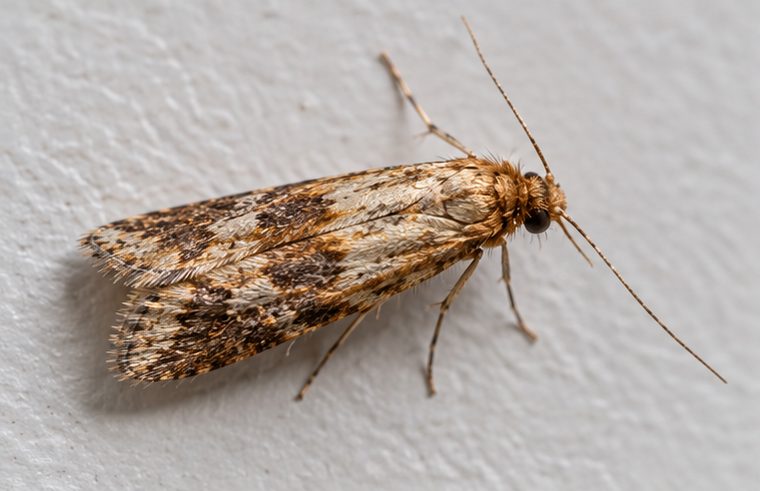
Clothes moth larvae feed on keratin, the protein in wool, fur, feathers, silk and hair. That makes woollen jumpers, blankets, rugs and wool rich carpets the natural targets. Dirty fabric is even more tempting, since sweat, food spills and pet hair give the larvae extra nourishment. The adult moths avoid bright, busy places. They lay eggs in dark, undisturbed spots, so the same carpet can be safe in the middle of a hallway and badly damaged under a sofa.
Cleanliness is your strongest defence. Wash or dry clean woollen items before storing them for the season, because moths are drawn to stains and body oils that you may not notice. Brush coats and jackets, and check pockets and folds. Vacuum carpets and rugs regularly, including edges, under furniture and behind curtains. Lift and clean beneath rugs from time to time. Pet bedding and hairbrushes also gather hair, so wash them and clear up fur.
Use clean, dry storage that closes tightly. Zip up garments in sealed bags, or use boxes with firm lids, and make sure nothing is put away dirty. Do not overfill wardrobes, since air and light make the space less welcoming. Check stored items every few weeks, especially in warm weather, and give wardrobes an airing on dry days. Take care with second hand clothing, rugs and furniture: inspect and wash or clean them before bringing them into the bedroom.
Regular movement and light are discouraging to moths. Move furniture occasionally and vacuum underneath, along skirting and in cupboards with carpet floors. Turn and beat loose rugs outside when possible, and roll them with the pile facing out if storing them. Pay attention to rarely used rooms, spare bedrooms and under-stairs cupboards. These quiet areas are where larvae can go unnoticed for months, so make them part of your normal cleaning round.
Scented sachets and similar items may be pleasant, but you should not assume they will protect fabric on their own, and they will not clear an existing problem. Avoid using sprays on clothing, bedding or upholstery without checking that they are safe for that use, and never combine products. Also avoid ignoring small signs. A single moth or a tiny hole is a good moment to act, because the larvae may already be feeding in a hidden place nearby.
If you spot moths, webbing or damage, act promptly. Take affected items outside to shake out, vacuum thoroughly and seal the bag away from the house. Wash what can be washed at the highest temperature the label allows. Then check neighbouring cupboards and rugs, since moths rarely stay in one spot. Keep checking for several weeks, as eggs can hatch after your first clean. Repeat the vacuuming of skirting, cupboards and under furniture each week during that time, and keep treated items sealed until you are sure. Seeing no moths for a month is a good sign, but continue your normal routine.
Ask us for help if the damage keeps spreading, you find larvae in fitted carpets or upholstery, or moths return after you have cleaned. We can identify the species, trace the source and treat the affected areas safely. This is especially worthwhile for valuable rugs, fitted wool carpets or a house where moths have been present for some time. Early advice usually saves a good deal of damage, and it also stops moths spreading to other rooms or to neighbouring properties in a shared building.
If you would rather not deal with it yourself, call us on 01245 327 274 or send an enquiry below. You can also read more about our moth control service.
 BPCA Member
 CHAS Accredited
 Buy With Confidence
 Three Best Rated 2026
We cover towns and villages across Essex. Choose your area to see how moth control works locally.
Clothes moths damage natural fabrics quietly, so by the time holes appear the problem has often been developing for weeks in a dark, undisturbed corner.
Read the guide →
Most household pests leave clues behind, and learning to read droppings, damage, noises and timing will help you decide what you are dealing with and what to do next.
Read the guide →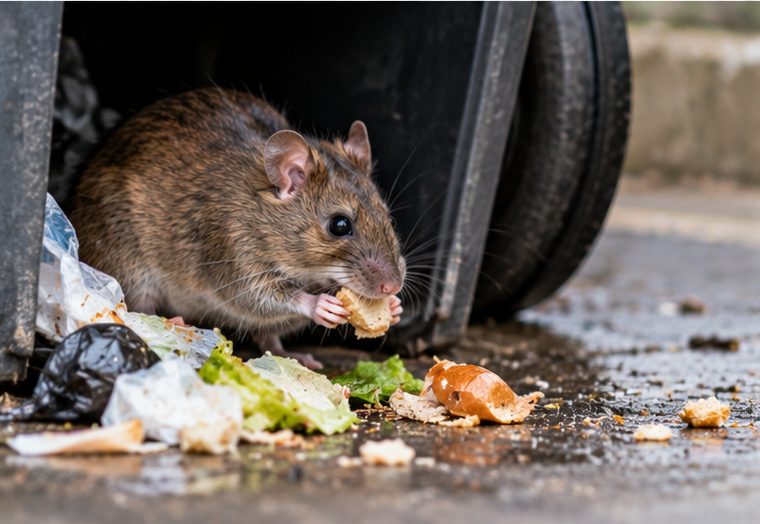
Rats are secretive and mostly active after dark, so the first clues are usually small marks and sounds rather than a sighting of the animal itself.
Read the guide →Yes. Regular, thorough vacuuming removes eggs, larvae and the hair, fluff and dust they feed on. Pay attention to edges, under furniture and inside cupboards. Empty the vacuum into a sealed bag and put it in an outside bin straight away so nothing survives.
It depends. Lofts and garages can be dusty and attract pests, so wool needs to be clean and sealed in tight lidded containers. Check regularly. Damp spaces can cause other problems such as mould, so a dry spare room is often more suitable.
Yes. Regular vacuuming, moving furniture now and then and keeping rooms aired all help. If you find damage or moths, tell the landlord or agent, since carpets and soft furnishings may be their responsibility, and arrange for the cause to be treated properly.
Look for fresh webbing, new holes, living larvae and adult moths over several weeks. Old holes alone do not prove activity. A simple approach is to clean the area, then check it weekly. If new signs keep appearing, get professional advice before the damage spreads.
Tell us what you have found and roughly where it is. We will come back to you — or call 01245 327 274 if it is urgent.
