
Clacton-on-Sea has a great many bungalows, retirement homes and holiday properties, and these often hold the things moths enjoy most: wool carpets, quality blankets, long-stored clothing and rooms that are not used every day. We offer moth control in Clacton-on-Sea for homes and businesses, starting with identifying whether you have clothes moths, carpet moths or pantry moths.
Once we know what we are dealing with, we inspect the whole property, treat the areas where larvae are feeding and give plain advice on washing, storage and monitoring, so you are able to keep an eye on things yourself afterwards.
 BPCA Member
 CHAS Accredited
 Buy With Confidence
 Three Best Rated 2026
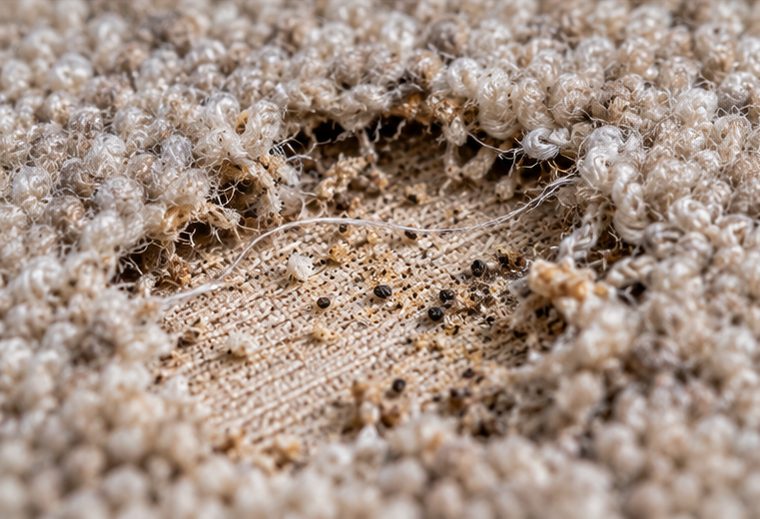
A holiday let or second home spends long periods quiet, and quiet is what clothes and carpet moths want. Throws, curtains, spare duvets and fitted carpets sit undisturbed for weeks while larvae feed on the wool, silk and felt. Owners often arrive for the first break of the year to find holes, webbing and a handful of buff coloured moths in the bedroom.
Between guests, a quick check helps: lift cushions, look at the edges of rugs and the backs of wardrobes, and watch for tiny silky cases. We can inspect a Clacton-on-Sea let thoroughly, treat what we find and suggest a simple routine, so a problem is caught before the next arrivals rather than after a complaint, a refund request or a ruined set of bedding.
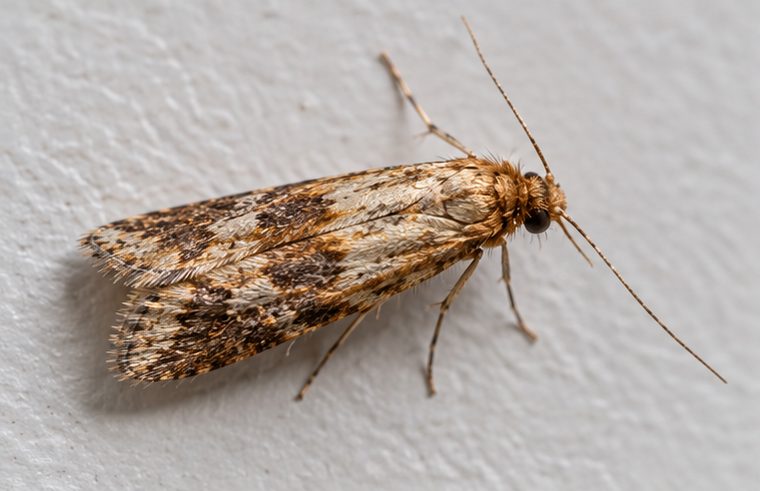
Many people in Clacton have lived in the same home for decades and have wardrobes, drawers and cupboards full of well-kept woollens, photograph boxes and keepsakes. Those are valuable and sometimes irreplaceable, which makes early action in Clacton-on-Sea homes well worthwhile. Bungalows often have everything on one level, so moths can spread easily between rooms, and one forgotten drawer can start the trouble.
In care and retirement settings, where soft furnishings, blankets and carpets are plentiful, we work carefully, tell residents what is happening and explain what we find to the manager or family. Treatment is targeted at what we find. We suggest hot washing or freezing small items, thorough vacuuming and sealed storage, and pheromone traps help everyone see whether the number of adult moths is falling over the weeks that follow.
We cover Clacton-on-Sea and the CO15 and CO16 postcode areas, from the seafront and pier district to the residential roads further back. We also work in Colchester, Witham and Maldon. If you are not sure whether what you have found is moth damage, tell us what you can see and we will help you work out the likely cause.
We cover towns and villages across Essex. Choose your area to see how moth control works locally.
Clothes moths damage natural fabrics quietly, so by the time holes appear the problem has often been developing for weeks in a dark, undisturbed corner.
Read the guide →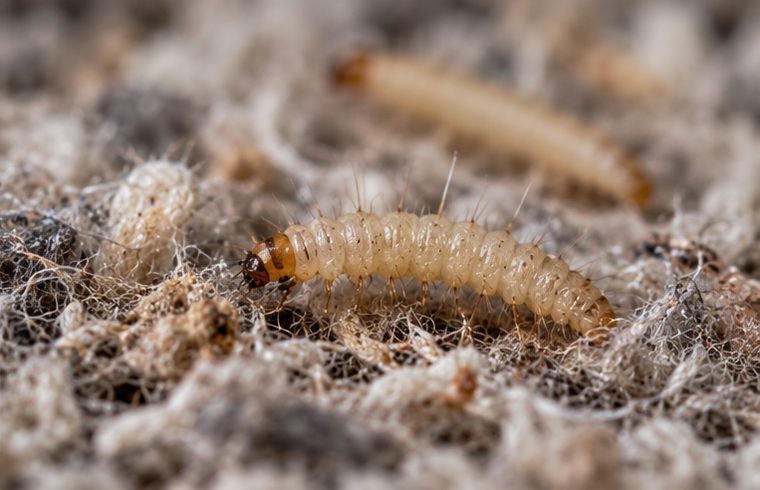
Moth larvae thrive on natural fibres left in dark, still places, so protecting wool and carpets comes down to cleanliness, airflow and sensible storage.
Read the guide →
Most household pests leave clues behind, and learning to read droppings, damage, noises and timing will help you decide what you are dealing with and what to do next.
Read the guide →Wash and rotate throws and spare bedding, vacuum carpet edges and under beds, and check wardrobes between stays. Store off-season linen in sealed bags. If you find holes, webbing or moths, call us for an inspection and treatment before it spreads.
Clothes and carpet moths damage fabric rather than spread disease, but they are unpleasant and costly. Pantry moths in kitchens are a food hygiene concern. We identify which you have, treat the cause and explain to the manager exactly what we found.
Shop products can kill moths they touch, but they rarely reach larvae deep in carpet edges or wardrobes, and without finding the source the problem often returns. A proper inspection shows where to concentrate the effort and which items to wash first.
Tell us what you have found and roughly where it is. We will come back to you — or call 01245 327 274 if it is urgent.
