
Many of the properties in Clacton-on-Sea have been lived in or visited for a long time: bungalows with fitted carpets, retirement homes with generations of belongings, and holiday accommodation that stands empty between guests. Those are the conditions carpet beetles like, because larvae can feed quietly on wool, hair and feathers for months without anyone disturbing them.
We find where they are living, treat the affected areas and give practical advice to protect your furnishings. We work in private homes, care settings and holiday lets, and we explain our findings in plain language so you can decide what to do next.
 BPCA Member
 CHAS Accredited
 Buy With Confidence
 Three Best Rated 2026
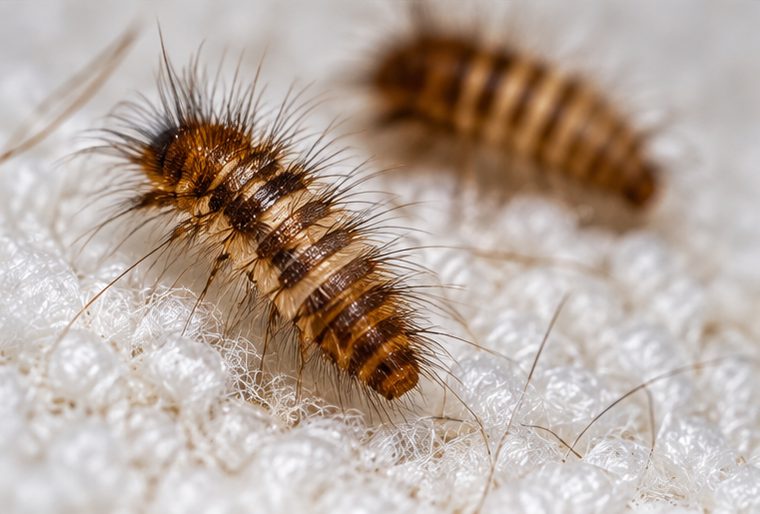
A seaside resort has plenty of rooms that are used only some of the time: spare bedrooms, guest rooms, and wardrobes stuffed with winter clothing. Carpet beetle larvae favour this kind of quiet. They can damage a woollen blanket or the edge of a carpet for a whole season before anyone opens that cupboard, and by the time the holes appear the larvae have often moved on to the next item.
Signs to look for are small hairy larvae, hollow shed skins, bare patches in the carpet pile and holes in stored woollens or fur. Adult beetles gather on windowsills when the weather warms up. If you see even a few in a room that is rarely used, it is worth looking closer, because one or two adults on a sill usually mean larvae are feeding somewhere close by. Clacton-on-Sea homes with fitted carpets are worth checking at the edges first.
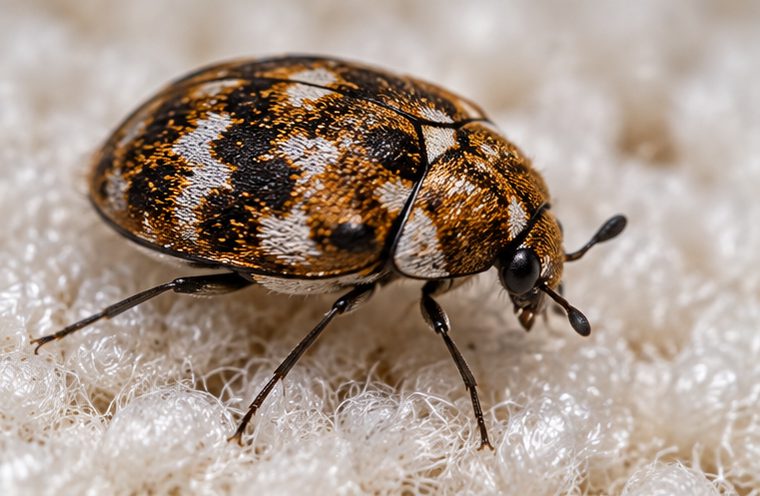
Between guests, holiday accommodation often goes unused for days. A beetle problem can build up unseen, then show itself as damaged rugs, throws or upholstery. Owners and managers in Clacton-on-Sea should include soft furnishings and the corners behind furniture in regular checks, and call us early if larvae or skins appear, rather than waiting until a guest complains about a chewed rug or a hole in a throw.
In retirement homes and care settings, the same applies to linen stores and carpeted rooms. We inspect carefully and discreetly, treat only where needed and explain what staff or residents can do to help, such as keeping linen cupboards sealed, vacuuming along carpet edges and reporting any small beetles seen at windows. Our work covers CO15 and CO16, and we also cover Colchester, Witham and Maldon.
If you suspect beetles, vacuum the area carefully and empty the cleaner outside straight away. Wash what you can on a hot setting and seal anything you cannot wash into a bag. Do not throw items away until we have seen them, as some can be saved. This helps us see the true extent of the problem in your Clacton-on-Sea property.
We cover towns and villages across Essex. Choose your area to see how carpet beetle control works locally.
Carpet beetle damage is often found before the insects are, so knowing what small holes, shed skins and thinning patches mean helps you act early.
Read the guide →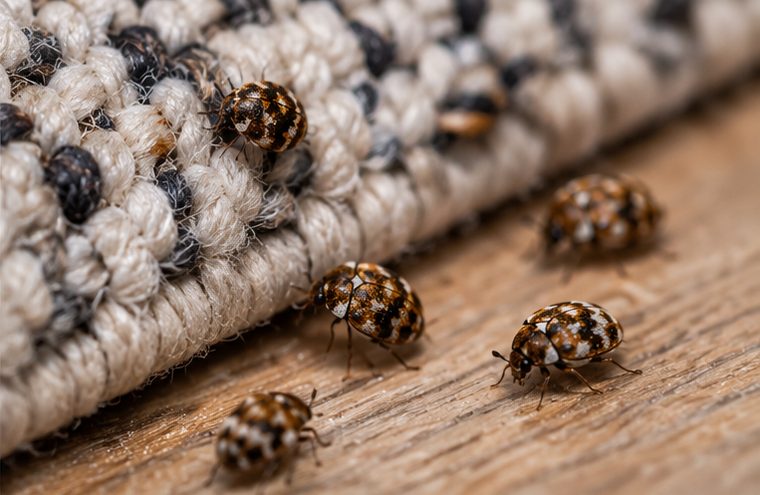
Once carpet beetles have been dealt with, steady cleaning habits, tidy storage and a few small repairs make it much harder for them to settle again.
Read the guide →
Most household pests leave clues behind, and learning to read droppings, damage, noises and timing will help you decide what you are dealing with and what to do next.
Read the guide →They can be found in any type of home. Bungalows with fitted carpets and roof voids above give larvae plenty of places to feed, but the key factors are natural fibres, hair and undisturbed corners rather than the coast itself. An inspection will show what is going on.
Larvae prefer wool, feathers and natural fibres, so some bedding and throws can be affected. They are not bed bugs and do not feed on people. We can inspect the rooms, identify what you have and advise on laundering and storage between guests.
Vacuum regularly under furniture, wash woollens before storing them, keep them sealed, and clear pet hair and dust from corners. Check second-hand furnishings before bringing them in. These habits make the property far less welcoming to carpet beetles and help the treatment last.
Tell us what you have found and roughly where it is. We will come back to you — or call 01245 327 274 if it is urgent.
