
Loughton has a large number of family homes, and many of them have the one thing a family garden is built around: a lawn. When molehills start spoiling it, football games, picnics and tidy edges all suffer. We trap garden moles in Loughton by finding the working tunnels and setting traps in them.
With Epping Forest so close, woodland edges and open grass run right up to many gardens. That gives moles a steady supply of worms and a good deal of quiet ground to dig in, so a garden can see them more than once. We explain what is likely and how to cope.
 BPCA Member
 CHAS Accredited
 Buy With Confidence
 Three Best Rated 2026
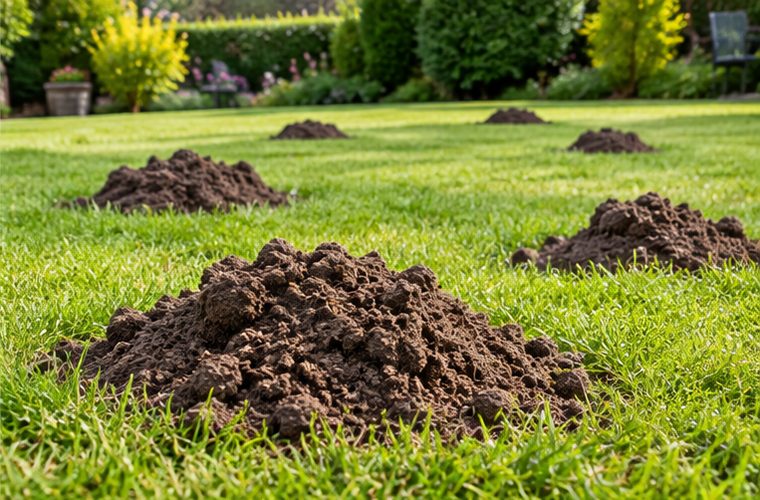
Moles are most at home in deep, soft soil with plenty of worms, and the land around the forest suits them. A garden that borders woodland, a green or a playing field can receive visitors from that ground. They tunnel under the boundary without any sign above, and the first thing you notice is a line of fresh hills on the lawn.
Tree roots can steer tunnels, so you may see hills bunched around a mature tree or beside a hedge. Stony or very dry patches tend to be avoided. If you cannot tell whether the damage is a mole, take a photograph of the heaps and any raised ridges, and we can often tell what we are dealing with from that before we visit, and say what to expect.
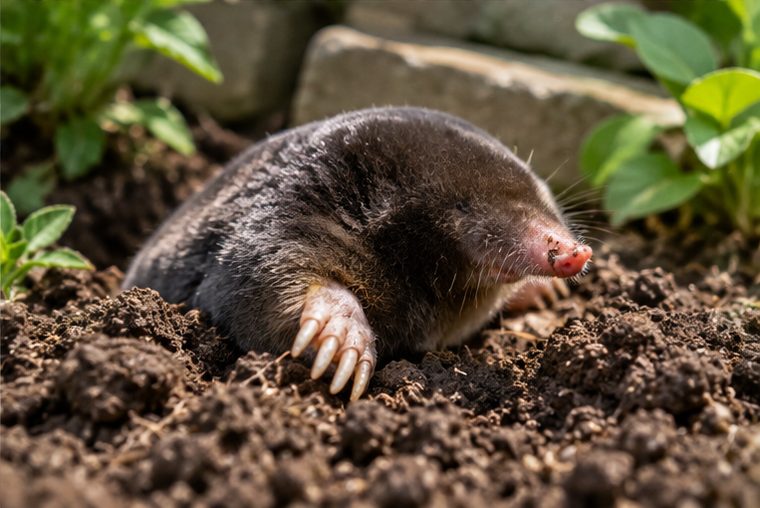
We confirm the signs first and then look for the main run, usually a straight tunnel between the hills and the place the animal feeds. Each trap is set inside the tunnel and the gap is covered so it stays dark. We return to check it regularly. Traps are never left for long, and we move them if a run goes quiet.
Family gardens need a little extra thought, so we tell you exactly where traps are and how long we expect to be involved. We keep children and pets in mind when we place and cover each one. Moles are not a pest indoors, and nothing we do in IG10 gardens involves going into your house, so there is no disruption inside the home and no need for anyone to be in during the checks.
Once the tunnels are quiet, level the hills with a rake and spread the loose soil thinly over low spots. Walk or roll down collapsed tunnels, then reseed bare areas so weeds do not move in. Loughton lawns that border woodland may see another mole in time, so it helps to keep an eye out. We also cover Epping and Harlow close by.
We cover towns and villages across Essex. Choose your area to see how garden mole removal works locally.
Fresh mounds of loose soil are the classic sign of a mole, but a few other things can look similar, so it pays to check properly.
Read the guide →
If new molehills keep appearing after you have cleared the old ones, the cause is usually food, soft soil and a tunnel network that never really goes away.
Read the guide →
Most household pests leave clues behind, and learning to read droppings, damage, noises and timing will help you decide what you are dealing with and what to do next.
Read the guide →If your lawn has plenty of worms and sits beside woodland or open grass, it is attractive ground. Once one mole is removed, another can move into the same tunnels later. Regular checks of the lawn help you spot new heaps early.
You can, and it tidies the lawn, but the mole will usually push up new heaps. Leave the freshest ones in place until we have found the main runs, then flatten them all once trapping is finished and the lawn has settled.
Yes. Moles are active all year round, so there is no quiet season to wait for, and hills are often more obvious in autumn, winter and spring when the soil is soft. We can set traps whenever the ground is workable, and the checks carry on through the colder months.
Tell us what you have found and roughly where it is. We will come back to you — or call 01245 327 274 if it is urgent.
