
Gardens are a point of pride in Saffron Walden, where so many homes are old and many have long, well-kept plots. A mole can undo months of work in a night, lifting turf, snapping roots and burying edging under soil. We trap garden moles here with care for the lawn and the planting around it.
The town's medieval streets and timber-framed properties mean gardens come in all shapes, from narrow courtyards to broad lawns running out to open country. We look at yours as it is, work out where the animal is travelling, and explain our plan before any trap is placed.
 BPCA Member
 CHAS Accredited
 Buy With Confidence
 Three Best Rated 2026

A tunnel does not have to cross a lawn to cause trouble. Moles push through flower beds, loosening soil around plant roots so they dry out, and uproot bulbs and young shrubs. Beds that have been dug and enriched are especially inviting, because worms like them. You may notice plants wilting for no clear reason, with a line of loose soil nearby.
On a lawn, the signs are the familiar cones of fine soil and raised ridges. In an older Saffron Walden garden, though, you may also find hills beside a wall, under a hedge or around an old tree where the ground is undisturbed. Take a quick look at the whole plot, not just the grass, and tell us what you see so we can pick the likeliest place to start.
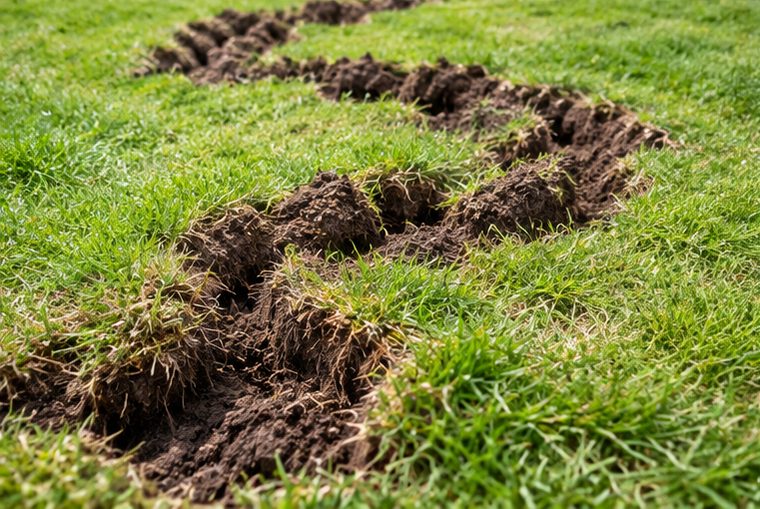
We confirm that moles are the problem, then trace the main runs, which are the dependable tunnels the animal uses to move between its nest and feeding areas. A trap is placed inside, the opening is covered, and we check it on a regular basis. We avoid heavy digging so beds, paths and mature planting stay as they are, and nothing is dug up without a reason.
Many gardens in Saffron Walden have lovely features that need protecting, such as old brickwork, stone paths and mature borders. We keep our access routes simple and put things back as we found them. Moles do not enter homes, so the old building is untouched; the focus is the soil, the turf and your planting, and we explain what we have done each visit.
When the work is done and no fresh heaps appear, remove the old hills and use the soil to fill hollows. Firm down tunnels under beds with gentle pressure and replant anything that has been lifted. Saffron Walden lawns that suffered badly may need reseeding in spring or early autumn. We also cover Great Dunmow and Harlow if a relative has the same trouble.
We cover towns and villages across Essex. Choose your area to see how garden mole removal works locally.
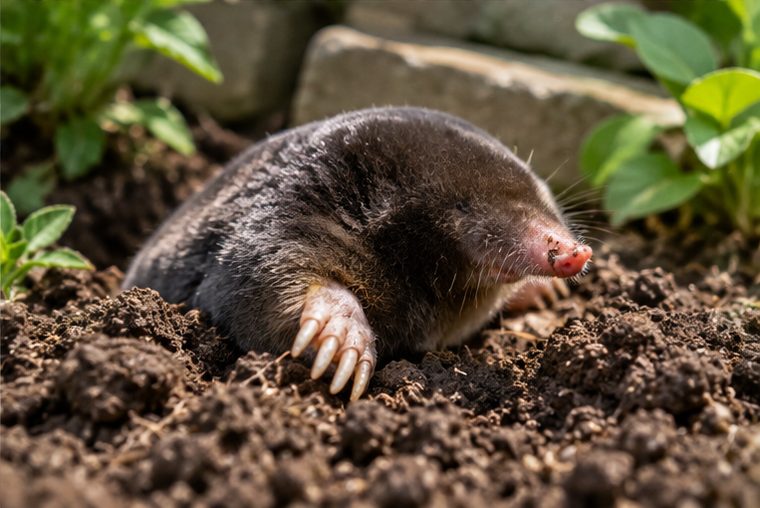
Fresh mounds of loose soil are the classic sign of a mole, but a few other things can look similar, so it pays to check properly.
Read the guide →If new molehills keep appearing after you have cleared the old ones, the cause is usually food, soft soil and a tunnel network that never really goes away.
Read the guide →
Most household pests leave clues behind, and learning to read droppings, damage, noises and timing will help you decide what you are dealing with and what to do next.
Read the guide →We keep digging to a minimum. Traps go into existing tunnels, so we only open a short length of run and cover it again. Mature planting is left alone wherever possible, and we tell you exactly where each trap sits.
Moles do not eat plants, but their tunnels loosen soil around roots so that plants dry out and can wilt or fail. Bulbs and young plants can also be pushed aside, which is why a mole in a border is often a bigger problem than on lawn.
Not always. Once we have been given access and know where everything is, we can check without disturbing you. We will agree in advance how to get in safely and let you know what we find after every check.
Tell us what you have found and roughly where it is. We will come back to you — or call 01245 327 274 if it is urgent.
