
Moles are small mammals that live almost entirely underground, and the first sign of one is usually a fresh molehill in the middle of a lawn. A single mole can wreck a smooth garden surprisingly fast. St Georges Pest Control, based near Chelmsford, removes moles from gardens, paddocks, sports grounds and farmland across Essex, for homeowners and land managers alike, large or small.
We confirm that moles are responsible, find their main runs and trap them there, then help you put the turf right. Moles are not an indoor pest and will never come into your house, so this is purely a garden and land problem, and one that can be solved with patience.
 BPCA Member
 CHAS Accredited
 Buy With Confidence
 Three Best Rated 2026
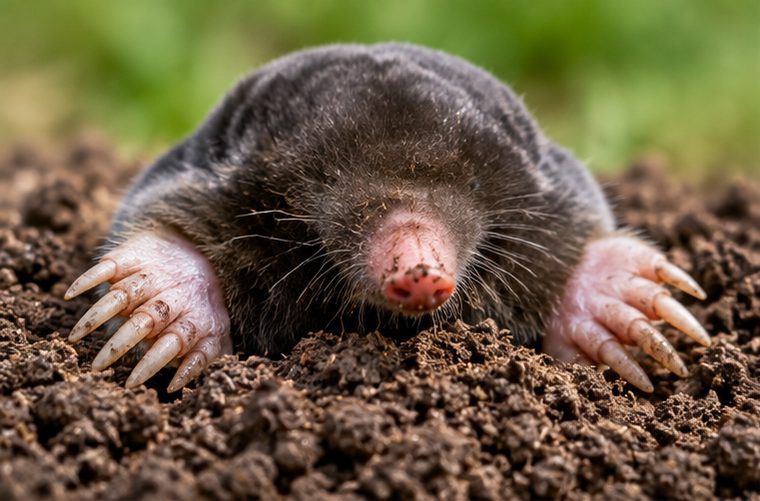
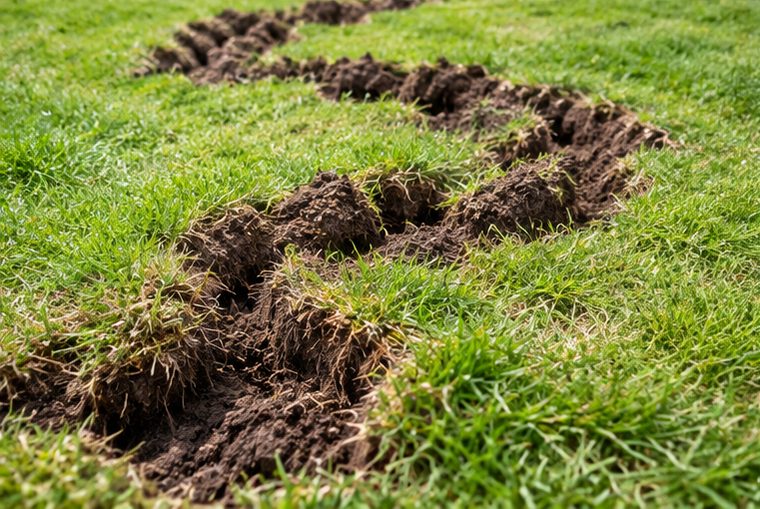
The giveaway is a mound of loose, fine soil pushed up from below, often neat and cone shaped. Fresh heaps look dark and crumbly. You may also see raised ridges across the grass, where a tunnel runs just under the turf and the ground feels hollow underfoot. Other burrowing animals leave different marks, so it is worth checking the signs before anything is done, which is why we always start with a proper look at the lawn. The repair is part of the job.
Moles are active all year, but you tend to notice them more in autumn, winter and spring, when the soil is soft and easy to dig. Their tunnels lift turf, disturb roots and bulbs, undermine edging and flower beds, and leave hills that catch mower blades. A small patch of damage can grow into a whole lawn of lumps and bare soil if it is left alone for long, and the repair gets bigger each month.
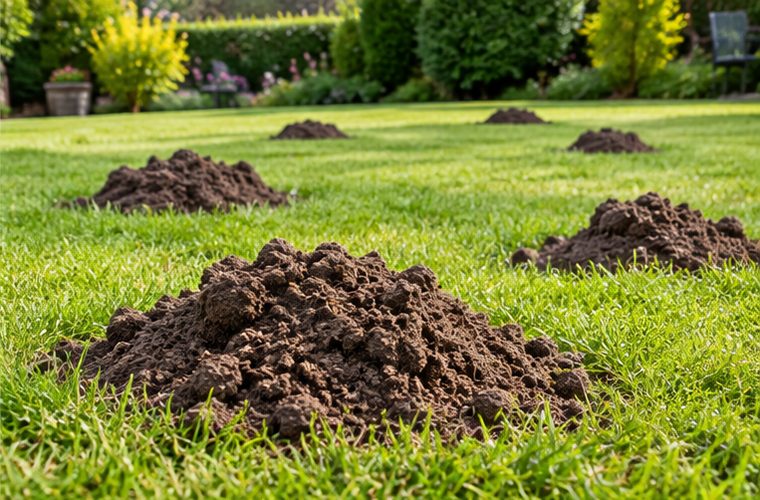
We begin by checking the signs to confirm that moles are the cause, then work out where the main runs are. These are the tunnels moles use again and again, as opposed to quick feeding tunnels near the surface. We set traps in the runs and agree the price with you before we start, so you know exactly what is planned and how many visits to expect before the ground is clear. If a site is large, we walk it with you first.
Traps are checked regularly, so animals are dealt with promptly and we can see how activity is changing across the lawn. Once the activity stops, we advise on flattening hills and repairing the turf, such as raking the soil level, firming the ground and reseeding bare patches, so the lawn recovers properly, the soil settles and looks right again, with the ground firm and level, before the next growing season, with far less effort than a full replant.
Essex has a wide mix of land that suits moles, from town gardens and new estate lawns to village greens, school fields, golf courses and sports club pitches. Open farmland and paddocks, particularly where the soil is rich in worms, are also popular. Land near fields and hedgerows often sees moles moving in from neighbouring ground, so a tidy, well kept garden can still be affected even when its owner has done nothing wrong. Wet autumn weather often brings fresh activity.
We work for homeowners, landlords, schools, clubs and land managers. Where a site is large or in regular use, such as a pitch or fairway, early action protects the surface and avoids hazards for players and mowers. Tell us about access and how the land is used, and we will plan the visits around it so play and routine use are disturbed as little as possible while the work is done, with traps placed carefully away from where people and animals walk.
We cover towns and villages across Essex. Choose your area to see how garden mole removal works locally.
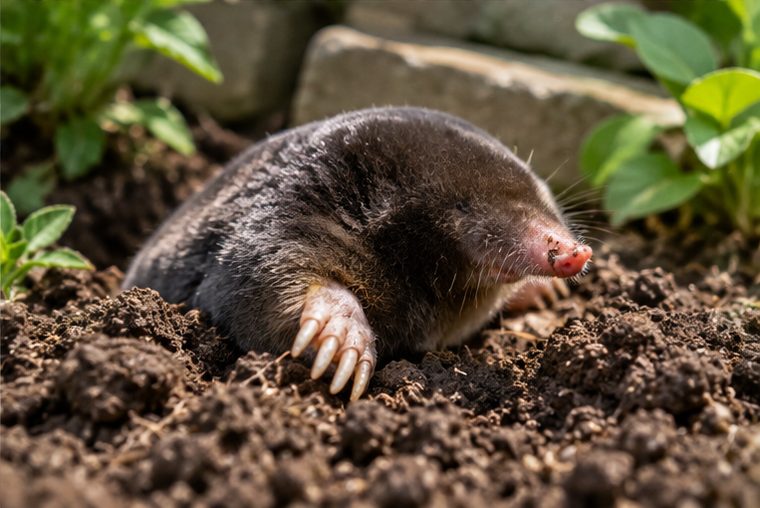
Fresh mounds of loose soil are the classic sign of a mole, but a few other things can look similar, so it pays to check properly.
Read the guide →If new molehills keep appearing after you have cleared the old ones, the cause is usually food, soft soil and a tunnel network that never really goes away.
Read the guide →
Most household pests leave clues behind, and learning to read droppings, damage, noises and timing will help you decide what you are dealing with and what to do next.
Read the guide →Moles leave neat piles of loose, fine soil and raised ridges where tunnels run beneath the turf. Fresh heaps show current activity. We check the signs on site to confirm that moles are responsible, because other animals and even worm casts can look similar at a glance.
Yes, moles stay active all year. They are often more noticeable in autumn, winter and spring because the soil is soft and the heaps are easy to see. Seeing fresh heaps in cold weather does not mean the problem has gone away.
We find the main runs, the tunnels moles use repeatedly, and set traps inside them. We check the traps regularly so that animals are dealt with promptly. This targeted approach works better than random digging, and it keeps disruption to your garden low.
We give practical advice once the moles have gone. That includes levelling the hills, firming loose ground and reseeding bare areas. Spreading soil evenly and keeping the surface level helps the grass recover, and it makes any later activity much easier to spot.
Tell us what you have found and roughly where it is. We will come back to you — or call 01245 327 274 if it is urgent.