
Chelmsford is a busy city, but it is also full of grass: back gardens in older terraces, lawns on newer estates, green strips along the rivers and landscaped areas around business parks. Wherever the soil is soft and full of worms, a mole may be at work, and fresh molehills are usually the first thing people see.
We are based near Chelmsford, so this is home ground for us. We confirm the signs, trap in the tunnels the mole uses most and check regularly. Moles do not enter buildings, so the job is all about the lawn and how to restore it.
 BPCA Member
 CHAS Accredited
 Buy With Confidence
 Three Best Rated 2026
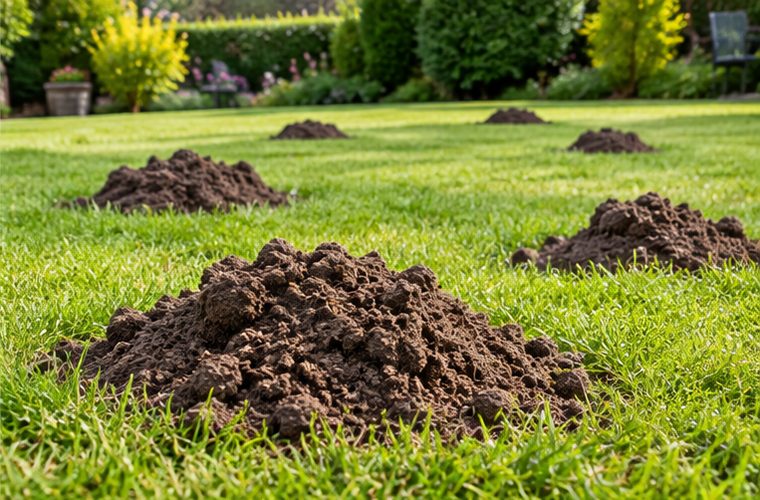
Gardens close to the river corridors and open green spaces in Chelmsford are the likeliest to be visited, because moles travel along soft ground and can reach a plot from the greenery next door. Even so, we also deal with lawns on estates well away from the water, where a single animal has settled into a well-watered, well-fed patch of turf and stayed.
The tell-tale marks are loose heaps of fine soil and lines of lifted turf. Across CM1 and CM2 we see everything from a couple of hills in a small terrace garden to a long network across a commercial lawn. The size of the problem is not always obvious from the surface, which is why we trace the ridges first before choosing where to work.
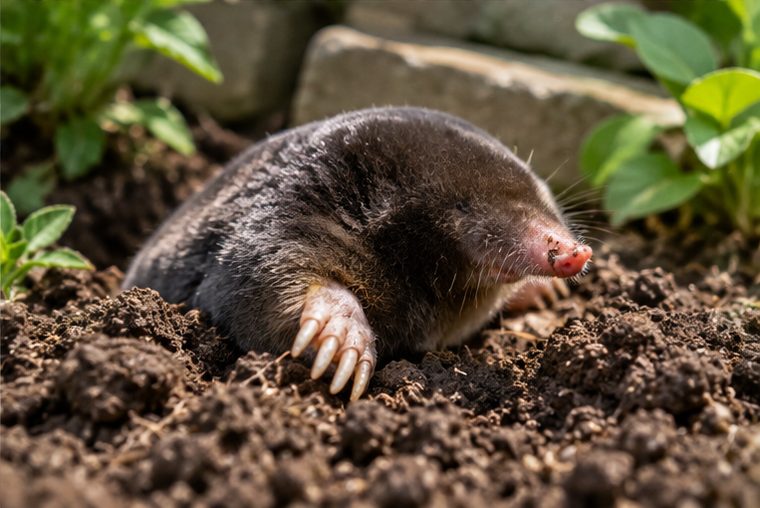
In a Chelmsford garden we begin by walking the lawn and noting where the soil is freshest. That points us to the main run, usually a straighter and deeper tunnel than the offshoots. We place traps inside it and cover the access so that light and draughts do not put the animal off, then return at regular intervals to check what has happened.
Commercial grounds and larger lawns take more planning, because the mole may have several routes and people may be walking across the grass. We agree the plan with you, keep the traps well marked and tell you how things are progressing. We do not give promises about the final outcome until we have seen the ground and the pattern of activity there.
After the moles are gone from your Chelmsford lawn, rake the soil flat, fill any dips and firm collapsed runs. Reseed bare areas and keep an eye out for fresh heaps over the next few weeks, since a vacant patch can attract a new animal. If you see one, let us know early. We also cover Maldon, Braintree and Great Dunmow nearby.
We cover towns and villages across Essex. Choose your area to see how garden mole removal works locally.
Fresh mounds of loose soil are the classic sign of a mole, but a few other things can look similar, so it pays to check properly.
Read the guide →
If new molehills keep appearing after you have cleared the old ones, the cause is usually food, soft soil and a tunnel network that never really goes away.
Read the guide →
Most household pests leave clues behind, and learning to read droppings, damage, noises and timing will help you decide what you are dealing with and what to do next.
Read the guide →Yes. We work on commercial lawns, landscaped areas and the grass around business parks as well as private gardens. We plan visits to suit the site, and we keep traps clearly marked wherever staff or visitors might walk.
It can. A single mole digs a long way for its size, and a small lawn has very little spare turf. Heaps, lifted ridges and soft patches can cover the whole garden quickly, so acting early is sensible.
They can use soft ground along riverside green space as a travel route, although they keep out of waterlogged soil. If your garden is near open green land, it is worth checking the lawn now and then for new heaps.
Tell us what you have found and roughly where it is. We will come back to you — or call 01245 327 274 if it is urgent.
